The Price of Ambiance: What You're Really Paying For When You Eat Out
The portion of a menu price attributable not to the dish but to the room around it — and why making the experience premium visible is better for diners and restaurants.
The line item no one itemises
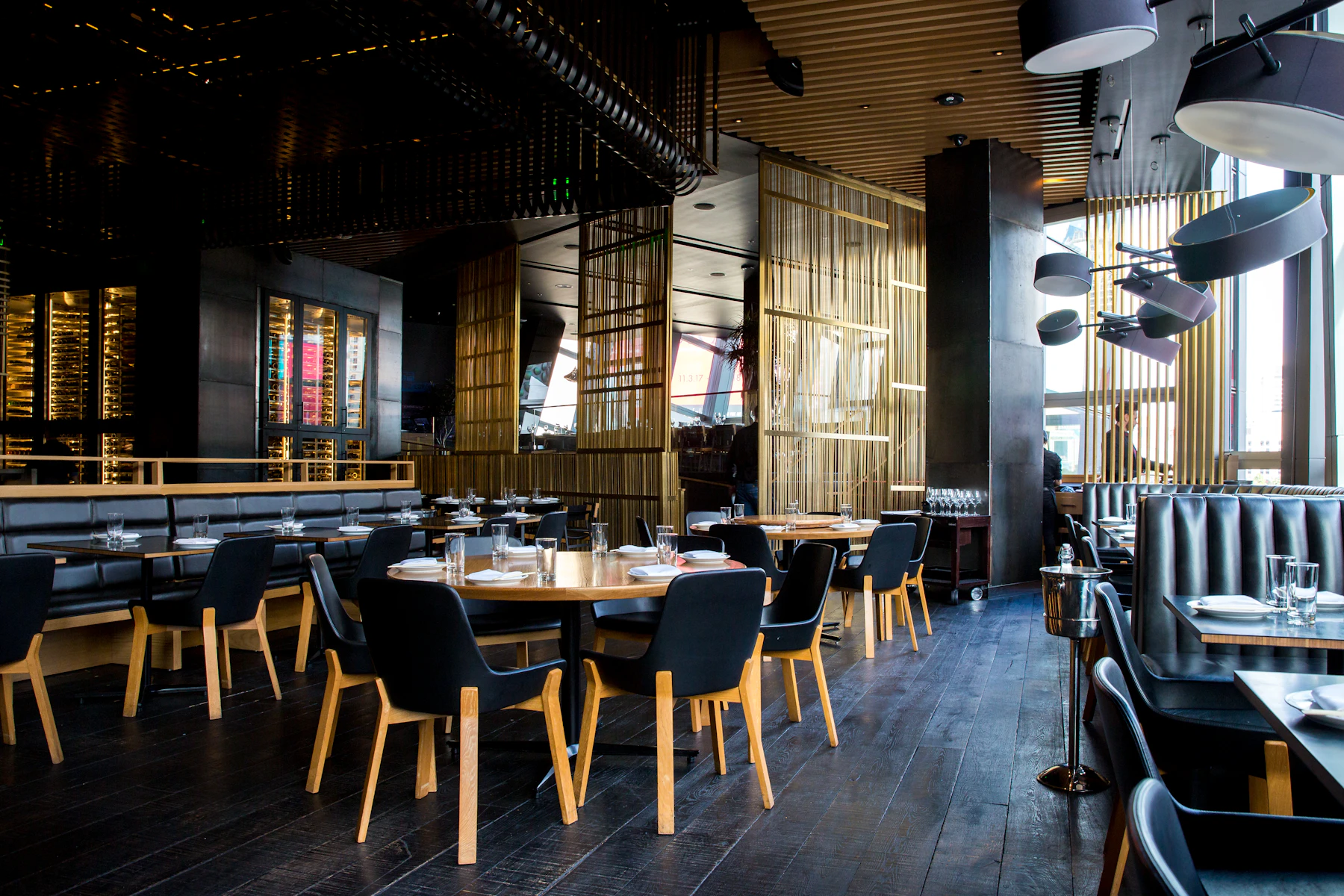
When the bill arrives, a diner pays for several things at once. The food, the cooking, the service, the drinks, and quietly — the ambiance. The room, the view, the lighting, the music, the table setting, the location, the reputation. None of this appears separately on the bill. All of it is folded into the price of the dish.
This is the experience premium — the portion of a menu price attributable not to what's on the plate but to everything around it. It is real, it is rational, and it is usually invisible. Diners feel it; they rarely understand it. The Dine South Africa Price Index makes it, for the first time, possible to see.
The question
When is a higher price worth paying, and when is it just the room charging extra for itself? The experience premium is the price gap between a dish and its comparable peers. The Index is how you see the gap.
What the premium actually is
The experience premium is the residual — the part of a menu price that cannot be explained by dish, portion, or ingredient cost. A R180 burger and a R110 burger, made from broadly comparable beef and bun, differ by R70. That R70 is paying for the room.
This is not a criticism. Ambiance is a product. A restaurant sells the meal and the moment that contains it, and the moment has a cost — rent in a desirable precinct, staffing for table service, design investment, lighting, music, and the cumulative marketing that makes the room feel like a destination. A diner who chooses the R180 burger is, in part, choosing to rent that room for an hour. There is nothing irrational about it.
What is irrational is paying the premium without knowing you are. The Index's value is not to eliminate the premium; it is to make it visible, so the choice becomes conscious.
The meal
Dishes are comparable across rooms
The Index isolates this
The room
Ambiance, location, reputation
The invisible premium
How to see the premium using the Index
The mechanism is straightforward. Open the dish detail page for a dish you're considering. Note the average, and the range. Compare the price on the menu in front of you to that range.
- A price at the provincial average is paying for the dish, more or less, and little premium for the room.
- A price well above the average is paying an experience premium. The question is whether the room warrants it — and that is now a choice, not a surprise.
- A price well below the average is, appropriately, a flag. The room is more modest, the service lighter, the precinct cheaper — or the portion is smaller. Either way, the diner is informed.
Average burger price
Live Price Index data — renders automatically as platform data grows
The restaurant's view of the same number
For the restaurant, the experience premium is the most strategically loaded number on the platform.
A restaurant charging well above the average for a comparable dish has positioned itself as a destination — and that positioning has to be earned by everything that surrounds the dish. The premium is a promise. The room, the service, the view, the mood — they are how the promise is kept. A restaurant extracting the premium without delivering the room will, over time, lose the volume the premium depends on.
A restaurant charging at the average, by contrast, has positioned itself on volume and value. That, too, is a strategy — frequency, routine, accessibility — and it succeeds on throughput rather than margin per plate.
The Index lets a restaurant see, with rare honesty, which strategy it is actually running — and whether its prices are consistent with the experience it delivers. Many independents discover, on first look, that they are charging a premium for a room that doesn't quite warrant one, or — more commonly — undercharging for a room that does. Either is fixable, but only once seen.
Why the premium matters more in a pressured economy
In a inflationary, cost-conscious economy, the experience premium becomes the most scrutinised line in dining. Diners protect frequency and cut splurge; the occasions where they pay a premium are fewer and more deliberate. A restaurant that charges a premium without making it visible — through photography, atmosphere, and explicit positioning — is asking a pressured consumer to pay for something they haven't been shown. That ask is increasingly refused.
The flip side is opportunity. A restaurant that earns its premium and makes it legible — through a menu, a room, and a reputation clearly worth the extra — retains the diners who have become most selective about which splurges they allow themselves. The premium, in a pressured economy, is rationed. The restaurants that earn it consciously will be the ones that keep it.
The takeaway
Ambiance is a product, and the experience premium is its price. The Index makes the premium visible — so diners choose it consciously, and restaurants earn it deliberately. An invisible premium is a surprise. A visible one is a decision.
— The Dine South Africa Insights Team
Related: How to Read a Restaurant Price Index (Without Overreading It) · The Price of Eating Out: What Households Really Spend
Dine South Africa Insights
Consumer Research